


Reliability is defined as the ability of an item to perform a required function without failure under stated conditions for a stated period of time. Reliability is a measure of uncertainty and therefore estimating reliability means using statistics and probability theory. Designed for practicing engineers, this course focuses on teaching you to increase product reliability. The course covers such topics as model product failure times, analyzing data to determine reliability characteristics, and other general data driven decisions to insure a reliable product. Most important aspect of reliability is to identify cause of failure and eliminate in design if possible otherwise identify ways of accommodation.
Learning Objectives:
- Demonstrate an understanding of the concepts of reliability engineering.
- Measure model times to failure using the appropriate probability distribution.
- Demonstrate an understanding of the relationship between the time to failure distribution, the reliability function, and the hazard rate.
- Determine a life test, estimate reliability values from the test data, and set confidence limits on the results.
- Use the design tools necessary to ensure a reliable product including prediction, allocation, and FMEA.
- Understand the differences in analyzing the reliability of a repairable and a non-repairable system.
For more information email This email address is being protected from spambots. You need JavaScript enabled to view it.
Executive Certificate in leading Innovation, Change and Strategy
Design and execute strategy, lead change and generate new ideas to sustain your competitive advantage.
Overview
 Leaders are constantly being challenged to find new, agile ways to generate ideas and execute strategy to future-proof the business and continue to connect with customers in an ever-changing marketplace.
Our strategy courses give you the practical skills and fresh perspectives to deliver strategies, navigate change and identify opportunities for growth to create value and sustain productivity. In many industries, innovation drives competitive success. Successful innovators redefine what the market expects, while those who do not are rendered obsolete. Innovation, however, is about more than great ideas. To be successful innovators, companies must understand the dynamics of their market, and identify and respond to the best opportunities with well-crafted, well-implemented innovation strategies. This course helps participants develop the mentality needed to become a disruptive leader and inspire an organizational culture that values and encourages new ideas. They will learn to rethink the habits that have made them successful in the past, and challenge the conventional wisdom and  industry models that have defined their business. This course will help managers learn how to think strategically about innovation. Participants will be introduced to state-of-the-art concepts in innovation and best practices across a range of industries.
Who should attend?
- Chief Technology Officers, R&D directors CEOs, COOs, CIOs, marketing managers, HR Managers, product and service managers.
- Other senior executives, and entrepreneurs who are responsible for technology, R&D, and supply-chain strategy, especially where coordinated
 technology development issues are essential
 - Senior executives in charge of innovation or new business development
- Teams charged with planning and implementing innovation or value chain strategy
- Division, business unit, functional, or geographic leadership team members
Benefits to Your Organization
Strategy elevates good leaders to exceptional performers. This program will help participant organizations:
- Develop their organizational capacity to define and implement effective business strategies
- Capture the competitive benefits of innovation and creativity in the workplace
- Capitalize immediately on the deepened insights and skills brought back to the workplace
- Support their teams through periods of organizational change
- Develop a long-term plan for the sustainability of the organization
Strategy Project
This program is designed to build applied skills in strategy, innovation and change management. To this purpose, you will engage in a Strategy Project that focuses on the future of your organization. The project will consist of:
- Opportunity statement: map out a significant strategic direction or opportunity for your company, and describe its strategic importance
- Analysis: develop a business case in the face of your chosen challenge or opportunity
- Recommendations: draft a proposal on how to tackle your plan, and outline the expected strategic outcomes
During the week you will receive one-on-one time with a faculty advisor to support your project. At the end of the program you will present your proposal to the group, and get feedback for moving it forward in your organization.
Modules
Building Game-Changing Organizations: Aligning Purpose, Performance, and People
- Understand what it takes to build game-changing organizations.
- Acquire resources and tools to articulate your company’s powerful story—what we call “collective ambition”
- Examine how to integrate the “soft side” of leading (purpose, vision, culture) with the “hard side” (strategy, operational priorities, brand) into a powerful formula.
- Understand the importance of building an authentic and energizing culture
- Learn what it takes to make your company a world-class talent factory
Building, Leading, and Sustaining the Innovative Organization
Participants will learn about the options available for driving strategic innovation in the organization, including how to:
- Combine the right mix of capabilities and critical functions to generate and commercialize innovative ideas more efficiently
- Develop the processes and required to support these activities
- Build cultures that encourage innovative behaviors
- Overcome the six misconceptions that stymie innovation in order to help the organization identify process information, identify opportunities, and deal with risk and uncertainty in a more timely manner
Driving Strategic Innovation: Achieving High Performance Throughout the Value Chain
Participants will leave this program armed with the knowledge of how to influence corporate culture, alter the way their organization responds to the challenge of innovation, and strengthen relationships with partners along the value chain. This intensive learning experience will deliver long-term value, helping business leaders to:
- Meet technology challenges, from R&D to manufacturing, project management to engineering
- Link technology decisions with business strategy
- Integrate product development, process developments, and value-chain strategy
- Develop organization and supply-chain strategies to position the company for future growth
- Leverage learning and innovation collaboration with customers, lead users, and suppliers, maximizing the value of research
- Understand how technologies and markets evolve and how they are linked
- Outperform the competition by generating breakthrough ideas
- Cope with shorter product life cycles, while delivering greater customer satisfaction
- Optimize sourcing and “make-buy” decisions
- Integrate supply-chain design with concurrent engineering
- Engage talent within the organization and across the value chain
Disruptive Leadership: Fostering a Culture of Game-Changing Innovation
- Ideas as Recipes for Generating New Value and Wealth
- Introduction to understanding the value of ideas and innovation
- Applying disruptive leadership to innovation challenges
- Provoking Organizational Processes and Behaviors with Disruptive Hypotheses
- Identifying the assumptions and conventions that influence the way producers and consumers think about your business
- How to break through the boundaries of your industry situation
- Generating deliberately unreasonable "what if" questions
Building and Leading Disruptive Teams
- From command and control to connect and collaborate
- The importance of innovation leadership
- Building and leading disruptive teams
Pitching Disruptive Ideas to the Organization and External Stakeholders
- Establishing the inadequacy of the status quo
- Delivering unexpected insights and opportunities to foster curiosity
- Building belief in the value an idea delivers
Programme Introduction
 Organizations that succeed and excel at what they do, do so by employing and retaining individuals with the specific capacity to excel at innovation, leadership and execution. They engage Individuals who have mastered the executive function and always display highest level of professionalism and exceptional leadership.
The fundamental principles of the Executive Intelligence experience lay the foundation for embedding new mind-sets and behaviours that allow for influence, credibility, and personal endorsement to manifest at the highest levels.
During this process you will learn very specific methods that will allow you to recognize how to disrupt your default patterns…the patterns that derail interactions and inhibit the cultivation of enduring partnerships. The result for the disciplined leader will be a quantum leap in your intentional Executive Intelligence.
Through Executive Intelligence training, acquire and take effective control of the unique skills of professional execution and replicative operational performance.
The bottom line is that Executive Intelligence is the “stuff” that determines if a leader will thrive … or fail – and by extension, whether a work group, team, department, division, or company will thrive or fail.
Executive Intelligence
- Identify and develop executive practices that lead to intelligence
- Foster productive interactions that allow you to move things toward your desired outcomes
- Strengthen your results orientation through critical thinking skills
- Grasp the centre of emotional fortitude that generates and sustains real partnerships
- Uncover your unconscious self-preservation patterns that implode clarity of thought and action
- Learn solid mental management disciplines for manoeuvring through tensions, annoyances and upsets
- Learn how to have robust conversations that move self and others through workplace dilemmas
- Executive Excellence – develop excellence through diversity of skill, first-class experience, and foresight that extends across industries and corporate cultures.
- Develop critical thinking and judgement skills required of intelligent executives
- Deliver critical insights, identify new business models, improve client engagement and drive innovation
Systems thinking
- Make the connections between seemingly separate events, factors, and processes
- Model and test business assumptions, problems, and decisions
- Understand and simplify complex business problems
- Diagram the cause-and-effect relationship of problems and decisions
- Proactively resolve developing issues with an in-depth understanding and strategic plan
Executive Analysis
- Learn the dynamics, processes, and challenges to designing an organization that achieves results
- Actively identify problems and learn to develop design solutions to remedy them
- Provide a prescribed process and discipline to redesign your organization
- Evaluate your analysis to ensure that your design and recommendations for transformation follow a systematic approach that aligns with your organization’s mission and values
Strategic thinking
- Discovery of their individual capabilities
- The key components of strategic thinking
- How to sort through the noise to spot significant pieces of information and potential gaps
- Practical approaches to identifying issues and opportunities
- Tools to create an environment that fosters a strategic team
Intelligent decision making
- Identify critical factors in making solid decisions
- Tap into creative and experimental approaches to enhance the quality of decisions
- Assess decision-making preferences, and identify traps and biases
- Apply tools to analyze, conceptualize, and gain hands-on insight into effective decision making

Duration- 5 days
Peakford institute runs 5 day masterclass on key topics for specific industries. These masterclasses are designed to develop and cement critical skills in a profession by incorporating currents trends and changes in the environment. The Peakford Masterclasses are designed with the premise that to remain effective professional need to keep abreast changes in their environment and profession. Most of our week long masterclasses lead to the accumulation of CPD points recognised by many professional bodies.
Engineering Reliability and maintenance Masterclass
Audience
General engineers, Senior Technicians, Maintenance and Operations Supervisors or Foreman, Plant or Equipment Operators and Maintainers Engineers, production managers, maintenance technician Design and/or process managers and engineers, manufacturing, quality assurance, reliability research, development, and safety engineering personnel, Quality or reliability managers/engineers, production/design engineers, and warranty analysts with engineering functions will benefit from attending this Masterclass.
Module Selection.
Reliability Engineering
Designed for practicing engineers, this module focuses on teaching you to increase product reliability. The module covers such topics as model product failure times, analyzing data to determine reliability characteristics, and other general data driven decisions to insure a reliable product. You will learn how to analyze life data to determine reliability characteristics and to achieve reliability improvement of a product. You will also learn about reliability testing for determining and demonstrating a reliability value, and design procedures that are necessary to ensure a reliable product.
Measurement Uncertainty
The focus of making quality measurements is to reduce uncertainty where possible, and to increase confidence in the measurements. It doesn't matter where the measurements are made: knowing about measurement uncertainty is important in expressing measurement results in design, manufacturing, or quality in the aerospace, medical device, automotive industry or a calibration laboratory
Failure Modes And Effects Analysis – Design
Gain a working knowledge of the FMEA tool as it is applied to the design of products.
Metrology Applications For Engineers And Scientists
This module focuses on the science of measurement. When completed, you’ll have a proper understanding of metrology concepts, basic statistics, reliability statistics and measurement uncertainty. This module is designed to familiarize Engineers and Scientists with Metrology, the science of measurement. A quantitative analysis of design based on sound metrology principles will help engineers and scientists to design better products and services.
In order to evaluate multiple solutions to the design, physical measurements are made and the data analyzed. Predictions need to be made on how well the design will perform to its specifications before full scale production begins. Tests are performed using prototype models, computer simulation, designed experiments, destructive and non-destructive tests, scale models and stress tests among the many other methods of evaluation.
In this module, you will learn to apply end-to-end metrology across all disciplines involved in producing a product. The role of metrology in the various phases of a products lifecycle will be covered.
Reliability Maintenance
Reliability-centered maintenance is a process to ensure that systems continue to do what their user require in their present operating context. It is generally used to achieve improvements in fields such as the establishment of safe minimum levels of maintenance.
Root Cause Analysis
If you’re responsible for problem-solving and improving processes, this three-day class will show you how to stop recurring failures. You’ll learn and practice a method to approach daily problem-solving with proven root cause tools. Unsure which tools to use when? Our RCA experts will help you understand the advantages and disadvantages of different tools and how to use the right one at the right time.
Reliability Engineering Excellence
The Reliability Engineer (RE) is the business advisor to facility maintenance and production. This strategic position is responsible for evaluating and predicting performance to achieve the greatest asset utilization at the lowest total cost of ownership. The RE sees all aspects of proper plant function, puts equipment first, and makes decisions based on how machines function and their impact on production. Just as a business advisor must balance policy and diplomacy, the RE must be dedicated to preserving asset reliability and managing risk.
Reliability Excellence Fundamentals
This is a dynamic, high-impact, interactive workshop where participants will experience the fundamental concepts of Reliability Excellence in order to drive performance improvement efforts within your organization.The class is a learning process that begins with a clear understanding of the learning objectives, behavior change expectations and desired performance improvement results. Then you will learn the tools and processes required to develop, implement and sustain word-class maintenance and reliability programs.
Reliability and Operations Excellence
Ever wonder how the world’s best Operations achieve their performance levels? Participate in this two-day workshop as we uncover the models for achieving Operations Excellence and how the best plants are able to maximize output and minimize costs using Reliability principles. During this class we will demonstrate how the relentless pursuit of defect elimination, asset productivity and workforce engagement will help you deliver dramatic competitive advantage - with increased plant capability, lower unit costs, and superior safety, environmental and quality performance.
Predictive Maintenance Strategy
Predictive maintenance is not a tool, technique or certification but a philosophy that uses the equipment’s operating condition to make data-driven decisions and improve quality, productivity and profitability. Unlike industry modules that focus on applying specific technologies like vibration monitoring or oil analysis, this module focuses on establishing, managing and sustaining results from a comprehensive PdM program. By the end of the module, you will have outlined what a successful PdM program can look like at your organization.
Planning for Shutdowns, Turnarounds and Outages
Master the basics of shutdowns, turnarounds and outages after attending this class. Reduce unnecessary costs by properly planning, executing and closing your shutdown. Participate in exercises such as analyzing your previous shutdowns, creating a timeline, planning lead time, and estimating costs, all designed to help you save time and money on your next shutdown. Optimize the process by discovering new tools and technologies that will create a backbone for effective plant maintenance and reliability. Walk out with a master checklist detailing the tasks for your next project.
 It’s all too easy for organizations to get comfortable in the beliefs that spur their strategies and actions—but what if things have changed and your leadership’s perceptions no longer match the new reality? The world constantly changes and there’s only one way to stay on top: integrate strategic innovation into your culture.
Innovation isn’t about just coming up with new ideas and implementing them—it’s about being open. Open to new ways of thought. New technologies. New developments. Open to being a bit out of your comfort zone. And to truly innovate, you need to know how to motivate and teach others to innovate, while also measuring results—and not just on an individual basis, you need to be able to affect change on an organizational level.
Teach your leaders the ins and outs of integrating innovation into your culture, starting with yourself, then the teams, and finally the organization in this two-day, active-participant innovation workshop led by select Linkage faculty.
What You Get
In short, this innovation workshop will arm your leaders with the necessary skills to keep your organization ahead of the competition
We ask that all participants come to the workshop having prepared two or three real-life challenges that your organization or team is facing; participants will then target their in-session learning toward turning these challenges into innovative opportunities.
During the session, leaders will learn to
- Adopt a framework to accelerate innovation
- Develop an organization capable of innovation
- Ask the questions needed to better define challenges
- Increase an idea’s potential while simultaneously decreasing risk
- Motivate others toward innovation and measure their success

The Corporate Entrepreneurship and Innovation course provides the necessary knowledge, concepts and tools that managers need to successfully pursue corporate entrepreneurship and innovation, providing a structured approach to understanding and managing corporate entrepreneurship and innovation in your organisation in order to gain competitive advantage.
OUTCOMES
On successful completion of this short course, you will able to:
- Understand corporate entrepreneurship (its dimensions and types).
- Understand innovation (its sources, types, and approaches to innovation).
- Develop an innovation strategy, innovation portfolio and mechanisms for measuring innovation.
- Integrate entrepreneurship into your corporate strategy, structure the company for entrepreneurship and develop an entrepreneurial climate.
- Lead your organisation in improving and sustaining its entrepreneurial performance.
Course content
- Corporate entrepreneurship
- Relevance and performance
- Capturing new opportunities
- Entrepreneurship – Antidote?
- Organizational Effectiveness
- Public Policy and the Corporation
- Creating opportunity
- Corporate Entrepreneurship strategy
- Determinants of high growth
- Continuous growth
- Models of Corporate Entrepreneurship
- Business Innovation
- Management style
Innovative, Entrepreneurial and Intelligent
1. Corporate Entrepreneurship
 Entrepreneurship inside of established organizations is called Corporate Entrepreneurship or Intrapreneurship. Corporate Entrepreneurship is a process used to develop new businesses, products, services or processes inside of an existing organization to create value and generate new revenue growth through entrepreneurial thought and action. Corporate entrepreneurship sets the context for innovation and growth. Corporate entrepreneurship sets the context for innovation and growth. It provides a systems view of the resources, processes and environment that are needed to support, motivate and engage the organization in entrepreneurial thinking and action.
Organizations with strong entrepreneurial orientations statistically perform better. They achieve higher levels of productivity, innovation, growth and financial returns.
Peakford Institute through training and consulting help organisations create the conducive environment for entrepreneurship and guide them in implementing entrepreneurial projects.
2. Organisational Intelligence OIQ

Organizational intelligence is the capacity of an organization to create knowledge and use it to strategically adapt to its environment or marketplace. Roughly half of corporate performance may be attributed to a company's capability for responding to change and complexity intelligently, with the rest being determined by dynamic factors: leadership, strategy and environmental conditions. Peakford Institute assesses your organisational intelligence using its OIQ framework and help in building an intelligent organisation. Peakford Institute also has the Executive Intelligence Programme focusing on the executives of the organisation. To start the journey to transform your organisation into an intelligent institution, get in touch with us.
3. Corporate innovation

The biggest advantage of shorter innovation programs (like hackathons) is giving teams the chance to incorporate a new mindset and methodology to execute radically new ideas.
The goal of this corporate innovation accelerator programme (or startup accelerator program) is to embrace innovation within your business strategy in a structural way. We help companies create and support corporate venture teams (corporate startups) that are developing new business concepts outside the core business in a short period of time.
What to expect from Peakford Institute innovation accelerator?
BUSINESS OPPORTUNITIES MAPPED
At the end of your corporate innovation accelerator, you will have explored 100 or more new business opportunities. These will form a unique map of strategic development areas for your organization.
EXECUTIVE INVESTMENT OPPORTUNITIES
3 to 5 concepts (one per team) will have progressed from concept definition to validation, culminating in an investment pitch (usually performed in front of the organization’s board of executives).
STARTUP-LIKE CORPORATE TEAMS
The length and breadth of a corporate innovation accelerator let the participants immerse themselves in the whole spectrum of startup best practices. The result? Multi-disciplinary teams that think and act like startups, ready to bring new solutions to market.
LONG-TERM CULTURAL TRANSFORMATION
A business accelerator program should focus on mid- to long-term opportunities (that is, creating sustainable internal innovation capabilities). In our accelerators, we make sure the long-term transformational goals aren’t subordinated to short-term business results.
Other Initiatives
- Innovation competitions
- Innovation boot camps
Peakford Institute’s customized on-site training programs are the cost-effective way for you to train employees on your schedule. Training on-site minimizes the cost-per-student, reduces travel expenses, and ensures that the content is specific to your exact needs.
Five Benefits of On-Site Training
- Expertise to your location: Saves time and travel expenses
- Convenient scheduling: Train groups of five or more
- Customizable courses: Training tailored to your groups’ needs
- Immediate results: Employees complete courses ready to apply what they’ve learned
- Value-add support: Instructors available to answer questions after session
Developing lasting solutions for companies, governments and communities
Our process
Approach > Engage > Analyse > Conceptualise > Investigate > Envision > Design > Develop > Test > Implement > Assess Evaluate > Integrate
WE BRING A CONSULTATIVE APPROACH TO EVERY ENGAGEMENT
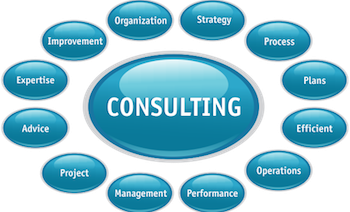
Peakford Institute leverages the vast experience of our teams to support engagements of any size, creating tailored, modular, or, if desired, complete, end-to-end, solutions for our clients through deep insights into overall business consulting, vertical industry, technology, and process and support best-practices.
However, Peakford Institute's hands-on, real world, consultative and collaborative approach to solution delivery is built into everything we do, from the simplest to the most multifaceted of tasks. It's how we do things and why we add value; it does not add further layers of complexity, and/or cost, to working with us.

We are The Solution Consultants
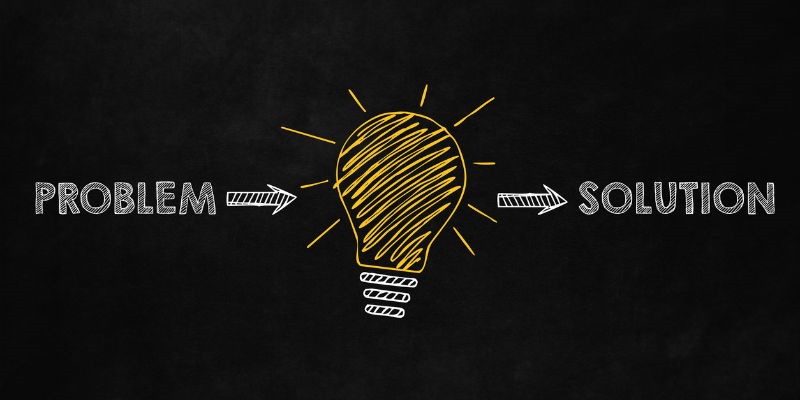
A practical solution for every problem
Peakford Institute consultants are highly respected consultants whose main purpose is to provide workable solutions for management every problem respective of its nature, industry or location. Using their unique engagement model, we deploy a rapid solution generating process that not immediately solve institutional problems but also ensure sustainability.
Problem Solved

ON-SITE TRAINING FOR YOUR ORGANIZATION
Peakford Institute’s customized on-site training programs are the cost-effective way for you to train employees on your schedule. Training on-site minimizes the cost-per-student, reduces travel expenses, and ensures that the content is specific to your exact needs.
Five Benefits of On-Site Training
- Expertise to your location: Saves time and travel expenses.
- Convenient scheduling: Train groups of five or more.
- Customizable courses: Training tailored to your groups’ needs.
- Immediate results: Employees complete courses ready to apply what they’ve learned.
- Value-add support: Instructors available to answer questions after session.
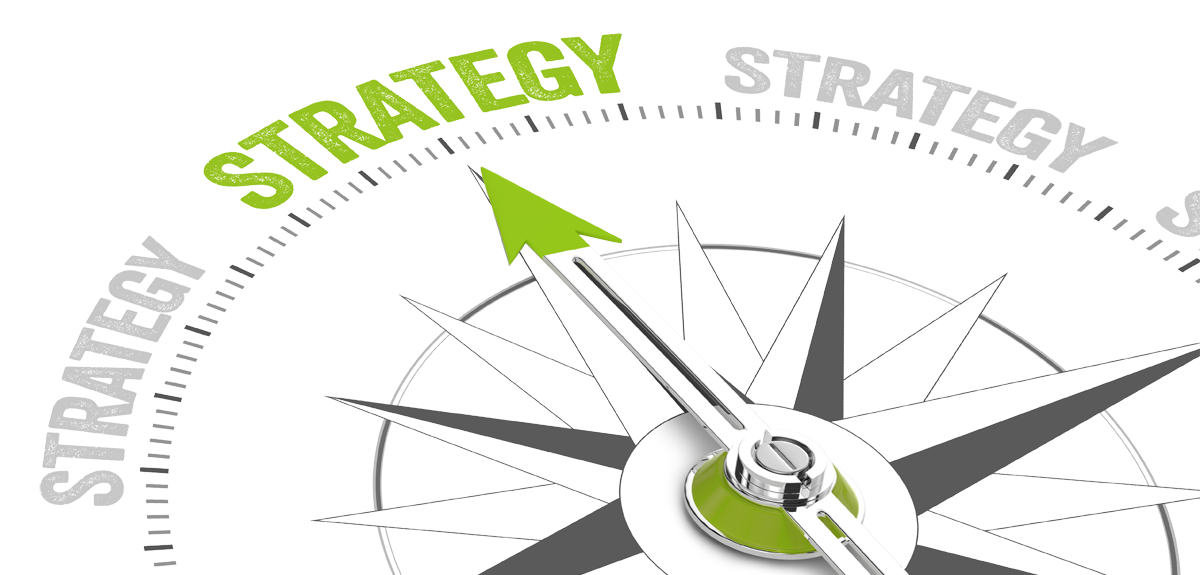
 We help Develop, Deploy, Deliver your Strategy
What we do
- Strategy development
- Strategy implementation
- Annual Performance Plan
Strategy is changing
We all recognise that we are operating in an intensively competitive, rapidly changing global economy, this is nothing new nor surprising.
And in some cases, that rate of change is not constant but accelerating.
Faced with such an environment, organisational agility and adaptability become paramount survival skills, which strategy plays a fundamental role in developing. For this to happen, we must change the  way we think about strategy and its development.
The problem with traditional strategy development
Traditionally, strategy relies upon accurate long-term prediction. The problem with that is, the more dynamic environment the less easy it becomes to accurately predict the future. In some cases, the strategy could be out of date well before the next cycle of analysis and planning takes place.
The implications of sticking with a strategy that is no longer appropriate is obvious. Even if this is recognised and attempts are made to change course, there are still significant costs as the organisation is knocked out of its strategic cycle or ‘rhythm’. Initiatives are put on hold, unscheduled analysis and planning activities must be instigated at short notice and employees told that the direction previously communicated is no longer appropriate. This all creates turmoil, unease and disruption.
There are approaches that we can take which will help us overcome this challenge, through learning and physical conditioning.
- At Peakford Institute we have refined our strategy development approach to incorporate the fast paced environment under which strategies must be implemented. Our new approach include
 Set a mission, vision and values for the organisation that are robust and enduring; these create much-needed stability with regards to the organisation’s overall direction and provide confidence within its workforce. This frees up the strategy to be agile: a short-term plan set firmly in a long-term frame.
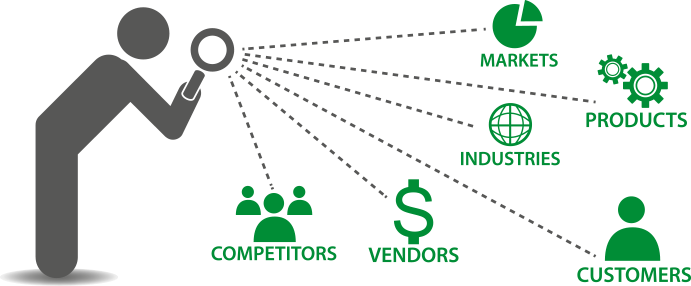
 - PI adopts an effective, data-driven analysis of the environment, both external and internal.
- We implement scenario planning is strategy development- we invest time in developing ‘what if’ scenarios for various aspects of your organisation and environment. This will reward you with more innovative suggestions that are not hamstrung by what has happened in the past.
We understand the value of training and consulting and how these can transform organisations. Peakford Institute training and consulting keeps your employees current in their field of expertise. We work with businesses in the public and private sector to arrange for advisory and consulting, seminars, educational courses and training sessions that pertain to their specific niche in the industry.
OIL AND GAS

Helping clients manage capital assets and achieve regulatory compliance with risk-based asset management services.
ENERGY AND UTILITIES

Helping clients manage capital assets in an asset-intensive and safety-conscious industry.
LIFE SCIENCES

Helping clients effectively manage assets, prevent drug shortages and achieve regulatory compliance
AUTOMOTIVE AND MANUFACTURING

Helping clients optimize performance of physical assets, improve OEE, and build workforce skills and culture.
FOOD AND BEVERAGE

Helping clients drive down costs, maintain regulatory compliance, and cope with workforce challenges.
CHEMICALS

Helping clients improve capital decision making and productivity in an asset-intensive and safety-conscious industry.
METALS

Helping clients manage assets to optimize OEE through increased asset availability and improved workforce skills.
MINING

Helping clients optimize performance of their assets and their people to keep costs down while maintaining safety.
GOVERNMENT

We work with national, provincial and local governments including public entities to ensure effective service delivery.
SOLUDVisor (Solution Development Advisor) is a new service which has recently been launched into the market by Peakford Institute across Africa. The bespoke service offers a growing team of Subject Matter Experts (SME's) with over 30 years’ experience who can offer world class and specialized expertise within oil and gas, well construction and operations.
The unique business model of this service means that SME expertise is available to the industry on an 'as needed' basis, meaning that expertise and advise can be called upon as and when required. The SME services range from being a 'sparring partner' at the end of the phone, to delivering concrete assessments and advise as a report or in meeting attendance and facilitation/contribution.

Peakford Institute supports both large and small organisations in the public and private sector in several Research and Development program projects that address major challenges in preserving or providing access to humanities collections, business and resources.
Our research and development interventions across the board recognizes the role of data in strategic decision and policy making and more so that finding solutions to complex problems often requires forming interdisciplinary project teams, bringing together expertise in various fields
Our research and development interventions have provided potential benefits to clients of periodically doing systematic studies considerably. Such initiative in project and programmes have:
- Generated additional important information for use in continuous program improvement
- Documented knowledge benefits that are often unaccounted for when communicating programs’ value to stakeholders
- Documented realized market benefits associated with past research successes
- Provided better answer to questions about cost-effectiveness of the longer term actions and improvement.
Research Programme and project Collaboration
To succeed in the area, Interdisciplinary collaboration has been a hallmark of our Research and Development projects at both the planning and implementation levels. Peakford Institute encourages project participation by professionals and specialists in other technical or scientific fields. Success and building support for new Ideas, actions, standards and practices may also involve partnerships among several l institutions, both in South Africa and abroad. Our programme and project team embody a well-defined humanities perspective that can frame your objectives and guide the project to successful completion.
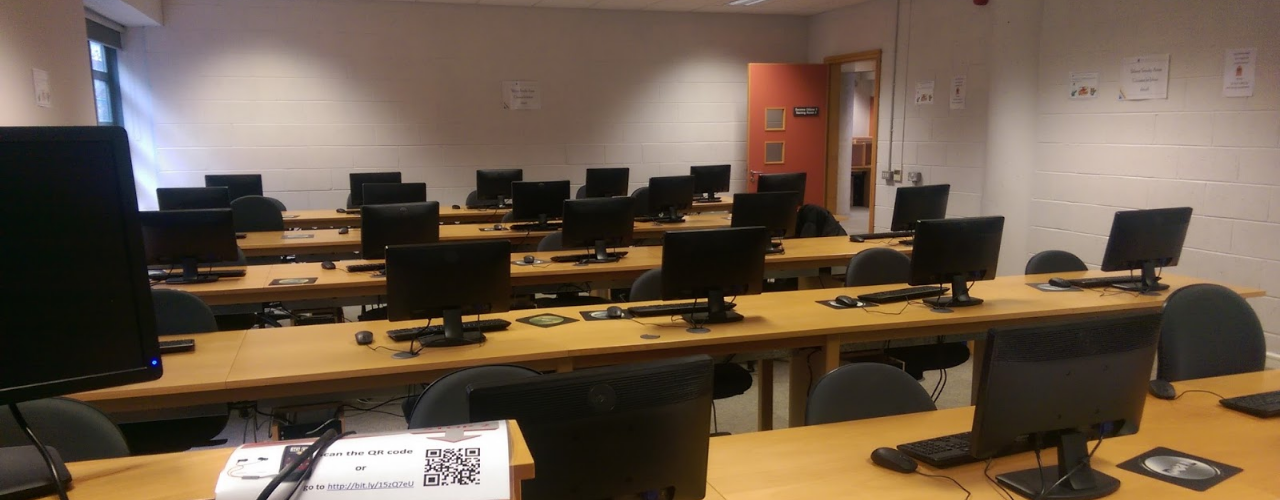
Peakford Institute is an international consulting company with its Head-office in Johannesburg. The company has footprints across Africa. We are a team of experienced, dedicated and qualified training, development and consulting professionals geared towards improving the bottom line of organisations.
View the profile our CEO here:

We strive to exceed our high professional standards.
At QA we set ourselves high standards. We aim to be open, fair and responsible in everything we do. That means that if we make you a promise, we'll stick to it, and if we make a mistake, we'll put it right. Our people go even further, always raising standards and going above and beyond the call of duty to get our customers the service they deserve.
We aim to be the trusted learning provider for all our customers.
Our relationship with every customer is hugely important to us. We treat every individual with respect, we honour our commitments and we go the extra mile to make sure we exceed expectations. We work to earn your trust with every interaction we have with you.
Peakford Institute uses variety of methods of learning to help meet different learning styles
Face to Face
Traditional training – it is key in our care and clinical workshops. We offer a supportive environment to make learners comfortable in asking questions. All of our trainers have experience both teaching and work based, hands on experience which is relevant to the subject they are training. Face to Face training suits people for a variety of reasons – some people learn better by asking questions, group discussions, activities and being able to use the equipment (if relevant to the course). We are able to offer a cost effective way of training through open courses if you are only needing to send small groups of staff or individuals. Onsite training at your workplace or chosen venue can be a more convenient way of supporting your staff in the CPD requirements – this can help with rotas and being able to plan ahead as well as having less travel times and costs for your staff.
eLearning
elearning can be done anywhere and at anytime that staff have access to computer system. This type of learning can suit already busy staff to work it in around their commitments. It can be convenient and allows learners to take responsibility and set their own pace once an agreed completion date has been discussed with their manager.
Distance Learning
Distance learning packs are great for learners who like to make notes and learn better from seeing things in their own handwriting and doing their own background reading. These packs are ideal for reflective learners who prefer to have a hard copy of the information. Once again this offers lots of flexibility for the learner.
Blended Learning
This approach is a mixture of distance learning either through e-learning or distance packs and then the practical session takes part at a venue of your choice for your staff. All learners must complete and have passed the theory before the practical can take place. This reduces staff time out of work. Course examples are first aid and moving and handling.
Trainer Packs
Trainer packs are aimed at experienced trainers who are competent in the subject pack they wish to purchase. Life is so fast paced that this option offers a convenient and time efficient way of having training materials instantly available to you.
Quality Assured
Our aim is to delivery informative and up to date workshops and products that help staff to meet compliance requirements. Hopefully the knock on effect will then be for managers to spend more time managing than chasing around training companies. We have work based experience of some of the pressures faced by management and can help you to bespoke our training sessions specifically your needs or branding if you prefer consistency within your company.
We have successfully delivered and continue to delivery training all across the UK. We can be flexible with our start times and can delivery training on weekends (subject to availability) to suit the needs of your business.
Our Training programmes are practical because they have evident results of;
- Knowledge transfer
- Application of learning at the workplace
- Learning reflections

The conceptual framework and theories of Malcolm Knowles in the 20th century were responsible for reorienting adult educators from “educating people” to “helping them learn”. PI’s approach to adult education draws upon the work of Knowles and other key contributors to the field. Our experience in applying these principles has been gained over 25 years in working with hundreds of clients in government, industry and the non-profit sector.
In practical terms, instruction for adults needs to focus at least as heavily on the process, if not more so, than the content being taught. Adult learners are typically:
Autonomous and self-directed: PI courses are interactive, designed to actively involve participants in the learning process. Facilitating is preferable to teaching.
Experienced, with accumulated knowledge: PI courses are designed to draw on the participants’ accumulated knowledge and experience whenever it is relevant to the topic.
Goal-oriented: PI courses have clearly defined learning objectives so the manager and/or individual participants can judge whether the course meets their goals.
Relevancy-oriented: PI’s in-house courses are often adapted for clients to ensure participants can see the direct relevance of the training to their work. Whenever possible freedom of choice is given to participants about specific topics for activities and projects, in order to reinforce relevancy.
Practical: PI’s instructors always explain how training will be useful to participants in their work.
Desirous of respect: PI’s instructors are skilled in cultivating an atmosphere of mutual respect within the classroom, allowing participants to voice their opinions freely. Furthermore, depending on the subject matter, differences in culture, gender, age, and job function are considered by the trainer.
PI courses are designed to incorporate four essential elements of adult learning:
- Motivation: PI trainers set a friendly, open and respectful tone for the training session, and usually begin with an “icebreaker” exercise. An exercise to command attention is also employed.
- Reinforcement: PI trainers use positive reinforcement to maintain positive learning. They are sensitive to the need for repetition for some learners. They give feedback using praise and recognition as appropriate.
- Retention: Retention is directly affected by the degree to which new knowledge and skills have been applied during the course. Every PI course includes opportunities to apply knowledge learned.
- Transference: Training can only be successful when the knowledge is translated by participants into application and use in operational contexts. PI trainers encourage participants to develop an action plan to transfer the new knowledge and skills to the work situation. Participants are invited to contact the trainer by email with any questions that arise after they return to the workplace and begin to apply the new knowledge and skills they have acquired.
To maximize successful knowledge transfer, PI courses emphasize achieving a high level of engagement between participants, and between participants and their instructor. Our trainers are skilled at helping the learner make the connection between the new information/skills and existing knowledge and understanding during the course – a key success factor in knowledge transfer. PI stays up-to-date on adult education theory and practice through its active involvement in the training community.

At Peakford Institute (PI), we believe that to do anything really well, you should love what you do and do it with passion.
We thrive on watching individuals and organizations grow and prosper.
We continually strive to encourage relationships of respect and trust between employees and organizations, and to affirm the worth of the individual.
We seek to add value in every situation
We do so whether helping you to access a resource that is outside of our offering or informal advice on a sensitive matter. We would always hope that you get a little more than you were expecting!
We stay in touch with current thinking
We do so in all areas of organization and human behaviour through our membership in professional associations and a wide range of other vehicles. We employ respected principles of adult learning, constantly seek best practice methodologies and engage consultants who are active learners themselves.
We take our work seriously
Although our style is often direct yet informal, this is supported by an uncompromising quest for excellence. We know that our work can have significant psychological, relational and financial implications. We do all that we can to be deserving of the trust of our clients and never take our responsibilities for granted.
We take a truly consultative approach with our clients.
Whether it is an initial meeting or an ongoing basis, we will work with our clients to accurately identify the issues, draw the appropriate conclusions and develop practical interventions and solutions.
In all cases, we will never recommend a solution that we do not believe is in the best interest of the client and will always be prepared to explore the logic of our view. If we can assist, we will say so; if we cannot, we will also say so. We will almost always add value through the benefit of our experience and perspective.
We value diversity, honesty, quality, humour, tolerance and the power of human potential.

Break Out of Gridlock
Finalizing decisions, defining solutions, and developing a path forward represents a challenge for every team at the top. All the diverse points of view can lead to confusion, clutter, disagreement—and gridlock.
Enlist Peakford Institute’s world-class board facilitation and executive advisory services to help your Board reengage, reinitiate momentum, and drive results. Our consultants bring to the table not only well-honed, high-level facilitation skills, but also cross-industry experience and expertise. All of this ensures that they provide the type of facilitation that draws fresh ideas and drives value through your Board and senior level executives.
Our facilitators begin by learning your Board’s specific goals and vision. We then bring that knowledge to your next Board meeting or retreat where we serve as a third-party resource, asking the right questions and directing discussions that are focused, high-level, and productive.
Our facilitation services are all about:
- Helping your Board push past the de-railers that may have been preventing progress
- Crystallizing your Board’s ideas
- Equipping your Board with the tools and processes that it needs to meet and exceed strategic targets
At the end of the day, your Board will have new ideas, new energy, and new momentum—all tying directly to your goals and vision.
The STUDIO ING. MARTINI S.r.l engineering company was established in 2002 as a result of the evolution of the “Studio Ing. Antonio Martini”, that had been working in the civil engineering field since 1991.
STUDIO ING. MARTINI S.r.l identified a need to expand for the African Market and established a Black female managed South African Company - Studio Martini Ingegneria (Pty) Ltd.
Studio Martini Ingegneria (Pty) Ltd is committed to Broad-Based Black Economic Empowerment (BBBEE); and a responsible corporate citizen, supports the government quest to redress past imbalances and ensure broader participation of black people in the economy to achieve sustainable development for all South Africans. Strong commitment to facilitating socio-economic development with a strong desire to play a pro-active role in facilitating South Africa’s social and economic development.
Remarkable progress has been achieved since the establishment of the locally based Studio Martini Ingegneria (Pty) Ltd which saw 50% of its ordinary shares held by South African Partners. Studio Martini Ingegneria (Pty) Ltd has a network of offices across Europe, South Africa and represented in various African Countries.
Studio Martini Ingegneria (Pty) Ltd is a customer-centric engineering firm that exists to fullfill its customers’ requirements. This drove us to make a strategic decision to offer both in house and remote office services.
STUDIO MARTINI INGEGNERIA (Pty) Ltd.’s mission is to provide the Client with engineering services and proper technical and economic solutions suited to meet specific requirements for the Clients. Those solutions include both large scale or network planning and specific interventions timeously identified by the Client.
STUDIO MARTINI INGEGNERIA (Pty) Ltd.’s main objective is to examine the status quo and compare it with its Client’s needs in developing a relevant solution. Not only it examines the immediate requirements of the Client but concentrates also on their future prospect by considering the possible evolution of their backgrounds.
The company analyses the issues set by the Client and due the physical and normative restrictions. Then it develops the possible solutions, which are proposed to the Client with full technical and economic features. An additional task is to find out any possible problems not considered by the Client, understand his requirements and offer the best feasible solution in terms of technical execution.
STUDIO MARTINI INGEGNERIA (Pty) Ltd is a multi disciplinary engineering firm, serving public and privatesector clients. We specialize in providing quality solutions to our clients, challenges in a cost effective manner. We approach the challenges of our work with energy, high expertise and commitment to excellence.
The Studio Martini Ingegneria comprises of divisions that focus on key engineering disciplines with a core competence in Transportation and Traffic Engineering, Hydraulic Engineering, Structural Engineering and Engineering Program management.
ORGANIZATIONAL STRUCTURE, HUMAN RESOURCES AND TECHNICAL MANAGEMENT
The organizational structure of the STUDIO MARTINI ING. is based on tasks and activities division. Processes are aimed at achieving the best working efficiency and time employment. The clear task division and the continuous interaction
among the various professionals improve the production process and the result at our Client’s disposal.
The professional competence of the whole structure is guaranteed not only by specific professional qualifications but also by the experience gained in many years of activity in the field across the world. Every part of the study
and assessment of a project supports the next and increase the professional acumen of every person and of the whole organization structure and its Human Resources.
The company consists of the technical manager eng. Antonio Martini and 16 collaborators, that is 8 civil engineers (two structural engineer, a geotechnical engineer, 4 transport engineers and an hydraulic engineer), 6 surveyors
and administrative assistants. In addition there are external specialized technicians that collaborate to carry out the services giving to the studio. They deal with topographic aspects (surveys and cadastral paperwork included),
technical installations design and check, analysis and geologic reports.
The Chairman and Technical Manager of the company: transport eng. Antonio Martini:
Qualified as design and executive coordinator according to Leg. Decree no. 494/96 and update to Leg. Decree no. 81/2008 “Safety Consolidation Act”
Registered with the Engineering Council of South Africa
Member of the testing technicians regional list (member no. 1202) since 31. October 2002 for the following sections:
3 - road networks
4 - hydraulic and maritime works
5 - sewerages, waterworks and pipelines in general, water treatment plants
6 - environmental protection works and waste treatment
Co-examiner and supervisor as experienced engineer from 1992 to 1996 at the University of Padua, Roads and Transport
Department - “Construction of roads, railways and airports” course
Member of “CIFI” - Italian Railway Engineers College
Member of the Environmental Impact Assessment Committee of Treviso Province
The CEO; a black female youth; Precious Maake, who specialise in Project and Programme management; Cost Engineering and Quantity Surveying; A Quantity Survey qualified with the University of Johannesburg registered with The Project management South Africa (Reg No. 17380948) and Association of South African Quantity Surveyors
(Reg No. 00117).
The quality policy is basic in the production process of any activities carried out by STUDIO MARTINI ING. Precise guidelines and clear working methods improve the entire production process efficiency and effectiveness. As a result the company produces high quality services and products for its Clients.
STUDIO MARTINI ING. owns the quality system certification since 2004 and is ISO 9001/ISO EN ISO 9001:2008 compliant, certificate No. IT04/1225 (issued by the SGS ITALY S.p.A., recognized by SINCERT - Certification and Inspection Bodies Accreditation National System), for the following activities: “Design and provision of civil engineering services, site supervision, technical consultancy and coordination of site safety”.

The STUDIO MARTINI ING. is a member of Unindustria Treviso (Industrialists Union-Province of Treviso) and OICE (Union of Engineering, Architectural and technical-economic Consulting Organizations).

